Types of console multiplayer games explained for 2026
Types of console multiplayer games explained for 2026
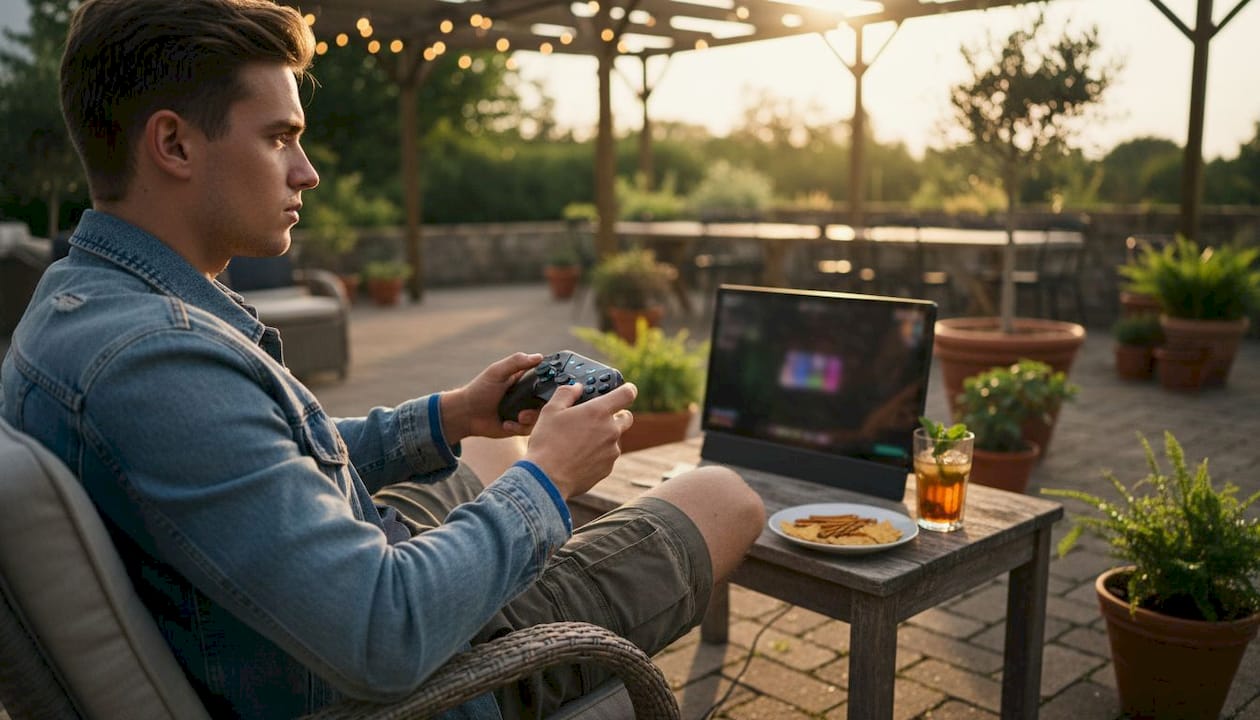
Console multiplayer gaming is defined by three core modes: local co-op, online multiplayer, and cross-play. Each mode shapes how your group connects, competes, and collaborates. Understanding the types of console multiplayer games goes beyond knowing the names. It means knowing which mode fits your setup, which genre suits your group's energy, and how session length affects whether everyone actually has a good time. This guide breaks down every major category so you can stop guessing and start playing the right game for the right occasion.
1. What are the main modes of console multiplayer gaming?
Console multiplayer divides into three modes: local co-op, online multiplayer, and cross-play. Each has distinct technical demands and social implications. Local co-op runs on a single console with two to four controllers. No internet connection is required. This makes it the most reliable option for in-person sessions, with zero latency and no subscription fees. Split-screen titles and couch co-op games fall squarely into this category.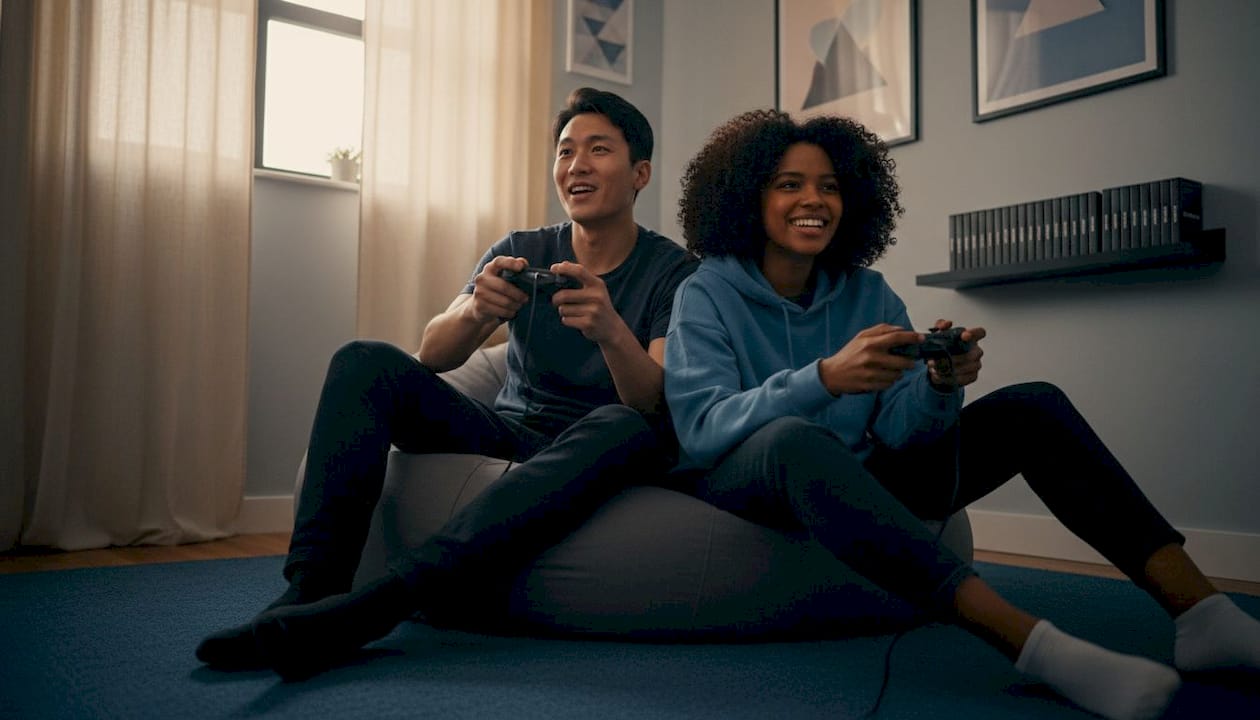 Online multiplayer connects players over the internet using either client-server architecture or peer-to-peer (P2P) networking. Most modern consoles require a paid subscription, such as PlayStation Plus or Xbox Game Pass Ultimate, to access online play. Connection quality directly affects the experience, so a stable broadband connection is non-negotiable.
Cross-play bridges different platform families, allowing PlayStation, Xbox, and PC players to share the same session. This requires platform SDK integration and shared identity systems, such as Epic Games or Activision accounts, to handle matchmaking across ecosystems.
Online multiplayer connects players over the internet using either client-server architecture or peer-to-peer (P2P) networking. Most modern consoles require a paid subscription, such as PlayStation Plus or Xbox Game Pass Ultimate, to access online play. Connection quality directly affects the experience, so a stable broadband connection is non-negotiable.
Cross-play bridges different platform families, allowing PlayStation, Xbox, and PC players to share the same session. This requires platform SDK integration and shared identity systems, such as Epic Games or Activision accounts, to handle matchmaking across ecosystems.
| Mode | Hardware needed | Internet required | Latency risk | Subscription |
| --- | --- | --- | --- | --- |
| Local co-op | 1 console, 2–4 controllers | No | None | No |
| Online multiplayer | Console + router | Yes | Moderate to high | Often yes |
| Cross-play | Console or PC + account | Yes | Variable | Often yes |
Pro Tip: If your group is in the same room, always choose local co-op over online. You eliminate latency, subscription costs, and connection drops in one decision.2. What are the popular multiplayer game genres on consoles?
Multiplayer genres span battle royale, co-op PvE, competitive PvP, and social sandbox formats, each shaping a different social dynamic and play rhythm. Knowing which genre fits your group's mood is as important as knowing which platform everyone owns.Here is a breakdown of the major genres and what they demand from your group:
- Battle royale. Large-scale PvP where players or squads compete to be the last standing. High intensity, medium session length (20–40 minutes per match). Requires quick decision-making and individual skill. Examples include the genre popularised by titles like Fortnite and Warzone.
- Co-op PvE (Player vs Environment). Teams work together against AI-controlled enemies. Coordination matters more than competition. Raid missions and dungeon runs fall here, often requiring 2–4 players with defined roles.
- Competitive shooters. Structured PvP with ranked modes, team compositions, and map knowledge. Sessions run 30–60 minutes. High skill ceiling and strong community meta.
- MOBA (Multiplayer Online Battle Arena). Two teams compete to destroy each other's base. Requires deep strategic knowledge and consistent team communication. Sessions typically last 30–50 minutes.
- MMORPG. Massively multiplayer online role-playing games support hundreds of players in shared worlds. RPG multiplayer games reward long-term investment, with sessions ranging from casual questing to multi-hour raids.
- Social and sandbox games. Low-pressure, open-ended play focused on creativity or casual interaction. These suit mixed-skill groups and shorter sessions. Think shared world-building or life simulation formats.
- Party and social deduction games. Short, high-energy rounds built around bluffing, voting, or mini-games. Best party multiplayer games in this category deliver the highest replayability for casual groups.
The PvP versus PvE distinction is the most useful filter when choosing a genre. Matching game type to your group's social preferences outweighs visual style or setting every time.
3. How do session lengths and social dynamics affect multiplayer game choice?
Session length mismatches are the leading cause of abandoned multiplayer sessions. A group that has one hour free cannot commit to a four-hour co-op raid. Getting this wrong kills the session before it starts.Session lengths break down into three practical bands:
- Quick sessions (10–25 minutes): Party games, social deduction titles, and casual arcade formats. Ideal for groups with unpredictable availability or mixed commitment levels.
- Medium sessions (45–90 minutes): Ranked competitive matches, survival modes, and structured PvP. Suits groups who want stakes without an all-evening commitment.
- Long sessions (2–4 hours): Co-op raids, MMO group content, and open-world sandbox play. Requires pre-planned availability and consistent group size.
Aligning session length with group availability is the single most practical step you can take before choosing a game. Beyond time, social dynamics matter just as much. Successful multiplayer games prioritise human unpredictability, such as bluffing, panic decisions, and emergent collaboration, over mechanical depth alone. Social deduction games have particularly high replayability because no two sessions play out the same way.
Pro Tip: Before your next session, ask your group two questions: how long do we have, and do we want to compete or cooperate? Those two answers narrow your genre choice to two or three options immediately.4. What challenges and advantages does cross-play present?
Cross-play is one of the most requested features in multiplayer gaming, but it comes with real technical trade-offs. Many console multiplayer titles still restrict matchmaking to the same platform family, making genuine cross-play an exceptional feature rather than a standard one in 2026.
Key challenges with cross-play:- Input disparity. Controller players and mouse-and-keyboard players compete under different mechanical conditions. Many titles now offer input-based matchmaking to address this.
- Account integration. Cross-play requires a shared identity layer, such as an Epic Games or Activision account, to link profiles across PlayStation, Xbox, and PC.
- Latency balancing. Matching players from different regions and network types increases the complexity of maintaining fair ping levels.
- Platform-specific restrictions. Some publishers and platform holders limit cross-play for commercial reasons, regardless of technical feasibility.
- Larger player pools mean shorter matchmaking queues and more active servers.
- Friends on different consoles can play together without anyone needing to buy new hardware.
- Cross-play extends the lifespan of multiplayer games by preventing player base fragmentation.
Host advantage in P2P online multiplayer causes latency asymmetry that affects fairness. Dedicated servers resolve this, and most competitive titles have moved to dedicated server infrastructure for exactly this reason. When choosing a cross-play title, prioritise games that use dedicated servers and offer PS5 and Xbox cross-play support for the fairest experience.
5. Which multiplayer modes and genres suit different groups and occasions?
The right multiplayer format depends on three variables: group size, physical location, and available time. Getting all three right means everyone stays engaged and no one drops out early.
For in-person groups:- Choose local co-op or split-screen titles for the most reliable experience.
- Party games and social deduction formats work best with four or more players in the same room.
- Best co-op multiplayer games in the action and adventure genres suit groups who want shared goals without direct competition.
- Online multiplayer with dedicated server support gives the most consistent experience.
- Cross-play titles let your group connect regardless of whether they own a PlayStation, Xbox, or PC. Browse best crossplay games to find titles with verified cross-platform support.
- Casual IO-style formats are worth considering here. Low-friction casual games allow friends to begin playing within 15 seconds, removing the lobby and wait-time barrier entirely.
- Casual evening with mixed-skill players: party games or social sandbox titles.
- Competitive night with committed players: ranked shooters or MOBA sessions.
- Long weekend session with a dedicated group: co-op RPG raids or open-world sandbox play.
Key takeaways
Matching multiplayer mode, genre, and session length to your group's situation is the most reliable way to guarantee a good gaming night.
| Point | Details |
| --- | --- |
| Three core modes | Local co-op, online multiplayer, and cross-play each have distinct hardware and network requirements. |
| Genre drives social dynamic | PvP and PvE genres create fundamentally different group experiences; choose based on whether your group wants to compete or cooperate. |
| Session length matters most | Mismatched session length is the leading cause of abandoned multiplayer sessions; align game choice with available time. |
| Cross-play is not universal | Platform-specific matchmaking still dominates in 2026; verify cross-play support before choosing a title for a mixed-platform group. |
| Social unpredictability wins | Games built around human behaviour, such as bluffing and emergent collaboration, deliver higher replayability than mechanically complex titles. |
Pickthe's take on choosing the right multiplayer experience
The conversation around multiplayer gaming tends to focus on graphics, genre labels, and platform exclusives. What gets overlooked is the social rhythm of your specific group. Two groups can play the same game and have completely different experiences based on how competitive they are, how much time they have, and whether they are in the same room or spread across three countries.
Cross-progression is one of the most underrated features in multiplayer gaming right now. When your progress carries across platforms, your group stays together even when someone switches hardware. Most players do not check for this before buying, and it causes unnecessary friction months later.
The shift toward low-barrier entry formats is also worth paying attention to. The rise of quick-entry multiplayer formats is not a casual trend. It reflects a real change in how groups want to spend their limited gaming time together. Fewer lobbies, less setup, more play. That expectation is only going to grow.
My honest advice: stop choosing games based on what looks impressive and start choosing based on what your group will actually finish a session of. The best multiplayer game for your group is the one everyone shows up for next week.
> — Pickthe
Find the right multiplayer game for your group with Pickthe
Choosing between dozens of multiplayer genres and modes should not take longer than the session itself. Pickthe makes it straightforward.

With over 6,000 games in its database, Pickthe lets your group swipe through options, vote in real time, and land on a game everyone actually wants to play. Whether you are after platformer multiplayer games for a casual evening or need to check which titles support cross-play across your group's consoles, Pickthe has the tools to sort it in minutes. Use the crossplay compatibility checker to verify platform support before committing, or browse the full multiplayer games catalogue across PC, PS5, Xbox, and Switch. No paywalls, no lengthy debates.
FAQ
What are the three main types of console multiplayer?
Console multiplayer divides into local co-op, online multiplayer, and cross-play. Each mode has different hardware, network, and subscription requirements.
What is the difference between PvP and PvE multiplayer?
PvP (Player vs Player) pits players against each other in competition, while PvE (Player vs Environment) has players cooperating against AI-controlled opponents. The distinction shapes the entire social dynamic of a session.
How long do multiplayer sessions typically last?
Session lengths vary by genre: party and social deduction games run 10–25 minutes, ranked and survival modes last 45–90 minutes, and co-op raids or MMO group content can run 2–4 hours.
Is cross-play available on all console multiplayer games?
Cross-play is not universal. Many titles still restrict matchmaking to the same platform family, and genuine cross-play requires deliberate support from both the developer and the platform holder.
What multiplayer genre has the highest replayability?
Social deduction games consistently deliver high replayability because human behaviours like bluffing and panic create a different experience every session, regardless of mechanical complexity.